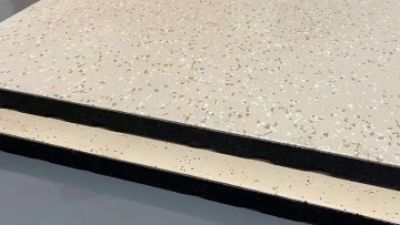
When it comes to any athletic facility, Sports Flooring really matters—it’s more than just a surface. It’s about helping athletes perform at their best and keeping them safe. The right kind of flooring can totally change the game, literally! There are plenty of options out there, like wholesale gym rubber flooring rolls or interlocking tiles, so you can pick what best fits your needs.
Choosing the right sports flooring isn’t something you want to rush. You’ve gotta think about things like grip and how much cushioning it provides. Plus, it needs to hold up to heavy use without falling apart. Unfortunately, some places overlook these basics, and that can lead to accidents or injuries. Going for the cheap, generic options might save you some cash upfront, but it could be a false economy—safety first, right?
Honestly, investing in good quality stuff like top-notch sports mats and Rubber Mats makes a big difference. Not only do they help athletes perform better, but they also create a welcoming vibe. Facilities that really prioritize their flooring show they care about their athletes’ safety and well-being. Still, a lot of places don’t really realize the long-term benefits of choosing quality flooring over cutting corners to save a few bucks.
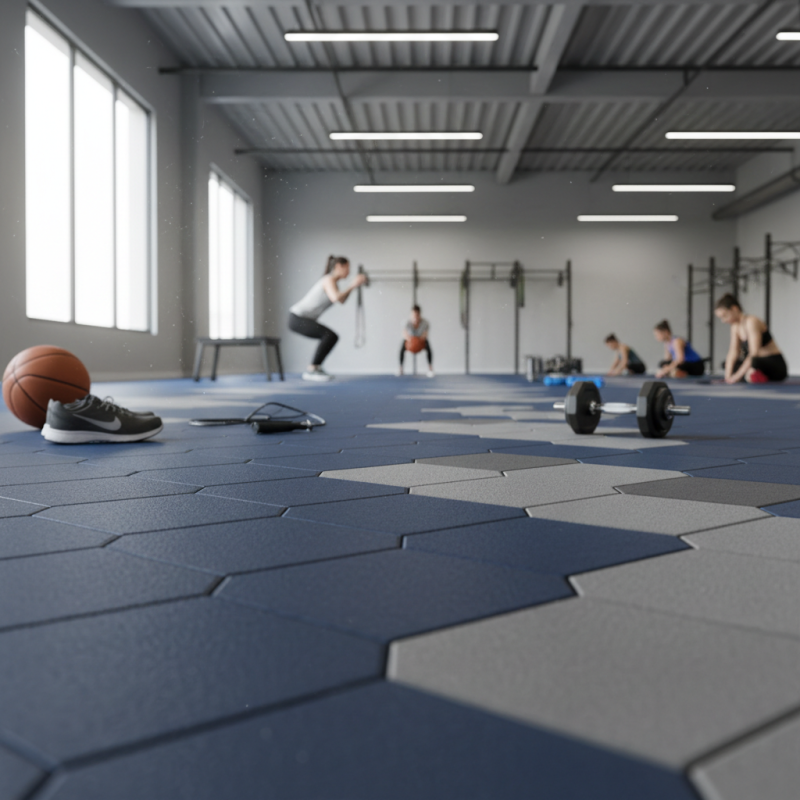
What is Sports Flooring: Definition and Characteristics
Sports Flooring refers to specialized surfaces designed for athletic activities. These surfaces must meet specific requirements to ensure safety and performance. Some common materials used include hardwood, rubber, and vinyl. Each type offers distinct benefits and limitations. For instance, hardwood is often favored for basketball courts. It provides excellent traction and durability. However, it can be slippery when wet, posing potential hazards.
Characteristics of sports flooring extend beyond material choice. Proper cushioning is essential to reduce impact. This can minimize injury risks for athletes engaged in high-intensity sports. The flooring also needs to support various movements, from running to jumping. An ideal surface will absorb shock while providing stability. Many facilities overlook maintenance, which affects performance and safety. Regular inspections and resealing can prolong the lifespan of sports flooring.
The color and design of sports flooring can influence player psychology. Bright colors can energize players, while neutral tones may promote focus. However, excessive patterns can be distracting. The right balance is crucial for optimal performance. Evaluating these elements helps facilities choose appropriate sports flooring tailored to their needs.
Types of Sports Flooring Materials and Their Uses
Sports flooring plays a vital role in athletic performance and safety. Various materials cater to different types of sports. Each type has unique properties that affect how athletes interact with the surface. Generally, selecting the right flooring is crucial. It can enhance performance and reduce the risk of injuries.
One popular option is hardwood. It provides a solid and stable surface for activities like basketball and volleyball. Its natural feel appeals to many athletes. However, it can be prone to scratches and damage from moisture. Then, we have rubber flooring. It absorbs impact well, making it suitable for gyms and fitness studios. Its durability is impressive, but grip can sometimes be an issue.
Another option is vinyl. It offers versatility in design and is easy to maintain. Many indoor sports, like futsal, benefit from vinyl flooring. It can wear down over time, especially in high-traffic areas. Lastly, turf surfaces are popular for outdoor sports. They mimic grass yet provide consistent play. Yet, turf may heat up under the sun and become uncomfortable. Each choice reflects a balance of performance, safety, and long-term care. Athletes must consider their specific needs and preferences.
Benefits of High-Quality Sports Flooring for Athletes
High-quality sports flooring is vital for athlete performance and safety. According to a study by the International Association for Sports Flooring, inappropriate flooring can lead to injuries. About 50% of athletes reported experiencing joint pain due to inadequate surfaces. This highlights a critical issue: not all flooring is created equal.
Consider the materials used in sports flooring. Surfaces like hardwood, rubber, and synthetic options all have unique properties. A rubber floor may offer better shock absorption. This trait can diminish the risk of ankle injuries during intense play. On the other hand, hardwood can provide excellent gran and resilience for athletes. However, it requires regular maintenance. Such upkeep can be a burden for some facilities.
Athletes also need traction, which high-quality flooring provides. A slippery surface can cause falls and setbacks. An industry report noted that 30% of injuries from falls occurred on poor flooring. These statistics stress the importance of investing in the right surface. Facilities must prioritize their flooring choices. Eventually, investing in quality flooring can lead to healthier athletes and better performance on the field.
Importance of Safety Features in Sports Flooring
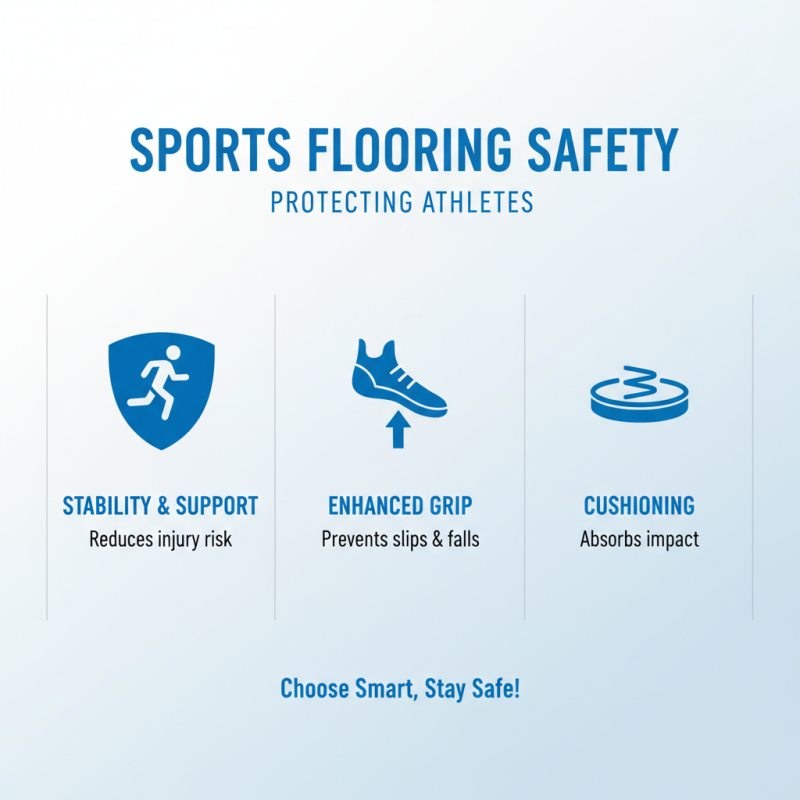
When it comes to sports flooring, safety features play a crucial role. Athletes depend on surfaces that provide stability and support. A well-designed sports floor can reduce the risk of injuries. Slips and falls are common in areas with inadequate flooring. It's essential to choose materials that enhance grip and cushioning.
The impact absorption of a good sports floor can make a difference. For example, floors that cushion hard falls can prevent serious injuries. This is especially important in high-impact sports like basketball and gymnastics. However, not all flooring options provide the same level of safety. Some may look appealing but fail to offer necessary protection.
Many facilities overlook the importance of maintenance. Poorly maintained floors can become slick and hazardous over time. Regular inspections can identify issues before they lead to accidents. It's vital to create an environment that prioritizes the safety of athletes. Ignoring safety features in sports flooring can result in costly injuries and setbacks.
Maintenance and Care for Sports Flooring Solutions
Maintaining sports flooring is crucial for performance and safety. Studies show that over 70% of athletic injuries are related to poor flooring conditions. Regular maintenance ensures a safe environment. A clean surface reduces slip risks. Dust and debris can impact traction. Thus, it's necessary to sweep and mop frequently.
Pvc Sports Flooring requires specific care. This material is durable but can wear down without proper upkeep. Using recommended cleaners helps retain its quality. Avoid harsh chemicals; they can damage the surface. Additionally, check for signs of wear regularly. Minor issues can escalate into costly repairs.
Incorporating a maintenance schedule is vital. Experts recommend inspecting the flooring monthly. Look for scuffs, dents, or moisture issues. Early detection can prolong the life of your flooring. Ignoring these problems may lead to injury risks. Investing in care is not just about upkeep; it’s about protecting athletes.
Selecting the Right Sports Flooring for Different Activities
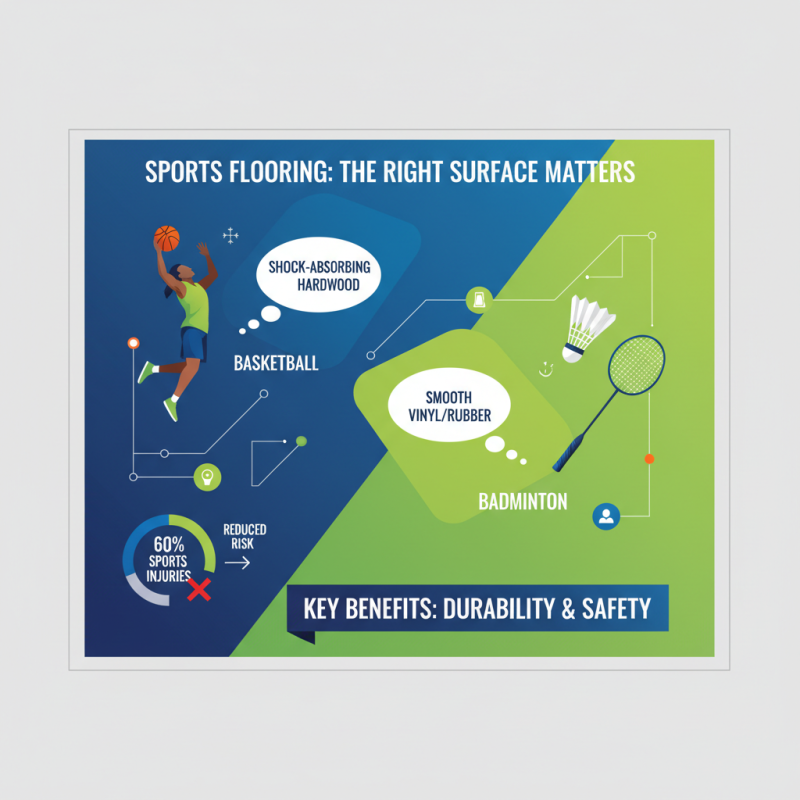
Selecting the right sports flooring is crucial for different activities. Each sport demands unique requirements from its surface. For example, basketball requires a durable, shock-absorbing floor, while badminton needs a smooth surface for better movement. Studies reveal that 60% of injuries in sports are due to improper flooring. Choosing better flooring can reduce this risk.
When considering Sports Hall Flooring, the material matters. Wood is often preferred for basketball and volleyball due to its resilience. However, synthetic surfaces are gaining popularity. They're easier to maintain and can withstand diverse weather conditions. Proper installation is also vital. Uneven surfaces can lead to accidents. Research suggests that 70% of athletes perform better on correctly installed sports floors.
**Tips:** Always consider local climate when selecting flooring. Consult experts for specific sports needs. Regular maintenance not only extends flooring life but also enhances safety. Reflect on the long-term costs versus initial investment. It's important to balance quality with budget constraints.
Future Trends in Sports Flooring Technology and Design
As technology advances, sports flooring evolves. New materials emerge, enhancing safety and performance. Designers focus on eco-friendly options. Natural materials like cork and rubber are gaining traction. They provide better grip and shock absorption. Athletes benefit from surfaces that reduce injury risk.
Tips: Consider the level of impact for your flooring. Different sports require different surfaces. Always prioritize safety when selecting materials.
The design aspect is crucial. Colors and patterns can influence player motivation. Bright, engaging designs may enhance performance. However, some designs may not be practical. A balance is needed between aesthetics and functionality.
Innovations like interlocking Sports Flooring Tiles are revolutionizing installation. They simplify maintenance and repair. Flexibility in design allows for customization. Always keep an eye on the latest trends to stay ahead.
Ultimate Guide to Choosing Rubber Tile Max Gym Flooring for Your Weight Strength Training Area
When designing a weight strength training area, selecting the right flooring is crucial for both safety and performance. The Rubber Tile Max, with its specialized construction, addresses the specific needs of strength training environments. This flooring solution features a 2mm surface layer made from virgin rubber, providing a high level of durability and support. The bottom layer, composed of 16 mesh rubber tire granules, is crafted using advanced HT&HP technology, ensuring that the tiles can withstand the rigors of heavy weights and repeated high-impact activities.
Data from the National Center for Biotechnology Information (NCBI) suggests that flooring materials can significantly influence the effectiveness of strength training. For instance, proper flooring can reduce the risk of injuries by minimizing the impact on joints. The Rubber Tile Max excels in this area, offering notable shock absorption and noise reduction capabilities—essential attributes for maintaining a safe and focused training environment. Research indicates that effective gym flooring can contribute to a more comfortable experience, encouraging longer and more productive workout sessions.
Moreover, the strong support strength and friction properties intrinsic to the Rubber Tile Max make it an ideal choice for free weight zones. By providing a stable surface, it enhances user confidence during lifts and prevents slips, which can lead to injuries. The integration of high-quality rubber materials ensures that the flooring will endure the test of time, aligning with industry standards for gym surfaces. This makes the Rubber Tile Max not just a flooring option, but a valuable investment in the longevity and safety of any strength training area.
FAQS
: The article aims to inform readers about specific topics.
Updates occur regularly, but exact timelines vary.
Yes, personal use is usually allowed, with some restrictions.
Yes, the article addresses several common misunderstandings.
Readers are encouraged to report any mistakes or inaccuracies.
The tone is generally informative, with some informal elements.
Cross-referencing with credible sources is a good approach.
It's better to consult multiple sources for a well-rounded view.
Reflect on other perspectives and seek additional documentation.
Visual aids may be present, enhancing comprehension and engagement.
Conclusion
Sports flooring refers to specialized surfaces designed to enhance performance and safety in various athletic activities. It encompasses a range of materials, each with unique characteristics suited for specific sports, from hardwood for basketball courts to synthetic surfaces for indoor soccer. High-quality sports flooring provides numerous benefits for athletes, including improved traction, shock absorption, and reduced injury risk, making safety features a crucial consideration in the selection process.
Maintaining and caring for sports flooring is essential to ensure longevity and optimal performance. Choosing the right flooring solution for different activities is vital, as it directly impacts the athletes’ experience and outcomes. As technology and design continue to evolve, future trends in sports flooring focus on innovation, sustainability, and enhanced safety measures, promising an exciting direction for the development of athletic environments.